

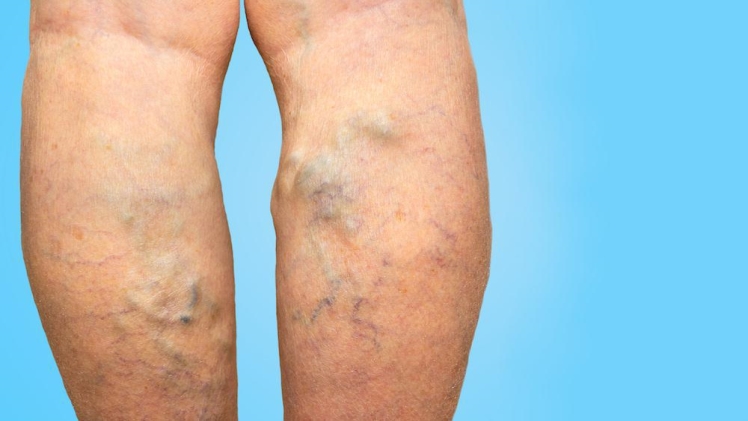
Varicose veins are caused by damaged or weak valves and vein walls. Varicose veins cause discomfort and aching pain. Sometimes they lead to more severe problems. Treatment involves self-care procedures or measures by the doctor to remove or close veins. Dr. Rishin Shah is one of the best doctors who specializes in eliminating unsightly and poorly functioning varicose veins that cause you discomfort.
What are varicose veins?
Varicose veins are bluish, bulging cords running beneath the skin surface. They always affect the feet and legs. Visible twisted and swollen veins are considered varicose veins. Although they can be disfiguring and painful, they are generally harmless. When inflamed, they become tender and can hinder circulation causing itchy skin, swollen ankles, and aching in the affected limb.
Besides a surface network of veins, the legs have a deep, interior venous network. In rare cases, the interior leg vein becomes varicose. These deep varicose veins usually are not visible but can cause aching or swelling throughout the leg and can be sites where blood clots form.
Varicose veins are a common condition, and for many people, they are inherited. Women are more likely to develop them.
Varicose veins treatment
1. Surgery
If varicose veins are large, they are supposed to be removed surgically. This is typically performed under a general anesthetic. In many cases, the patient can be discharged the same day; if surgery is needed on both legs, the patient should spend the night in the hospital. Laser treatments are used to close smaller veins and spider veins.
2. Ligation and stripping
Two cuts are made, near the patient’s groin, and further down the leg, at the ankle or knee. The vein at the top is tied up and sealed. A thin wire is threaded through the vein and pulled out, taking the vein with it. This procedure does not require you to spend a night in the hospital. Ligation and stripping sometimes result in bleeding, bruising, and pain. On rare occasions, there can be deep vein thrombosis.
3. Radiofrequency ablation
A small incision is made below or above the knee, and a catheter is threaded into the vein with the help of ultrasound. The doctor inserts a probe in the catheter, which produces radiofrequency energy. The radiofrequency energy heats the vein, making the walls collapse, closing it, and sealing it. This process is preferred for large varicose veins. It is usually done with a local anesthetic.
4. Endovenous laser treatment
A catheter is inserted into the vein. A small laser is threaded in the catheter and placed at the top of the target vein, and it delivers short energy that heats the vein, shutting it. With the help of an ultrasound scan, the doctor threads the laser.
Varicose veins worsen over time. This is true if you make the required lifestyle changes to manage and control your pain. While they can be unsightly, they often don’t cause long-term problems. You should see your doctor if you have symptoms associated with varicose veins. They can suggest a more aggressive approach, like surgery or other interventions.
