

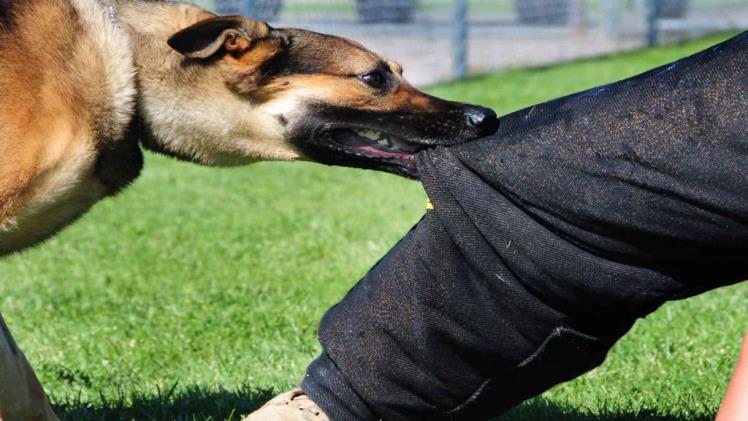
Animal bikes occur in many cases when you provoke an animal. Provoked bites occur when you intimidate your dog by trying to remove its food when the dog is eating, or you tease a family pet. However, in some cases, animal bites occur when an animal is unprovoked. Unprovoked animal bikes may occur in your backyard when a squirrel or raccoon attacks you for no apparent reason. When such a bite occurs, the attacking animals could be extremely sick. How can your spring animal bites doctor assess the risk of an infection or injury when an animal bites you? Let’s review some examinations a doctor can perform after an animal bite.
1. Inspection
When you’re attacked and bitten by an animal, ensure that you seek medical attention immediately from a doctor dealing with animal bites. After reaching a health facility, the doctor will examine your wounds to remove debris. Additionally, the doctor will treat the wound first with a numbing agent before continuing with the examinations.
2. X-Ray
The depth of a wound punctured by an animal bite can be deceiving. Therefore, a doctor can order you to go for an X-ray to check if the animal bite fractured your bone. An X-ray can also help a doctor confirm if there is debris in the wound that was not visible after the inspection. Some foreign types of materials like grass or dirt can be overlooked easily.
Some animal bites closer to the bone and joint areas may require radiography studies. An X-ray picture may show if the animal bite penetrated the joint capsule or if the animal had caused septic arthritis, which requires treatment.
3. Irrigation
Every animal bite needs to be cleaned up. The doctor will clean the wound properly to prevent infection. It is worth noting that irrigation cannot prevent infection but can significantly reduce its risks. The doctor may use a local anesthetic to minimize the pain in the wound.
4. Debridement
Animals with long and sharp canines can cause skin tears that may require stitching to repair. Your doctor may perform a procedure called debridement to remove infected or dead skin and tissue around the wound that the doctor cannot repair. Before conducting a debridement, your doctor will use an anesthetic to reduce the pain you will experience during the procedure.
5. Closure
Puncture wounds caused by animal bites don’t require closure using stitches. However, some animal wounds must be stitched or sutured immediately after a bite.
6. Wound Care
Depending on the type of wound that developed after an animal bite, the doctor may recommend appropriate wound care that suits each case-by-case injury sustained. For instance, wound sutures should be kept dry and clean always. You need to cover the wound when showering and not soak it in water.
Wounds that are not sutured require soaking to keep them wet or other forms of treatments. The doctor will also prescribe antibiotics to control infection in the wound.
As you can see, an animal bite can be handled with many methods to prevent infection and other severe reparation from developing in the wound. At Houston Medical ER, we offer a wide range of animal bite treatments. You can learn more by inquiring or setting up an appointment to see one of our doctors or representatives.
