

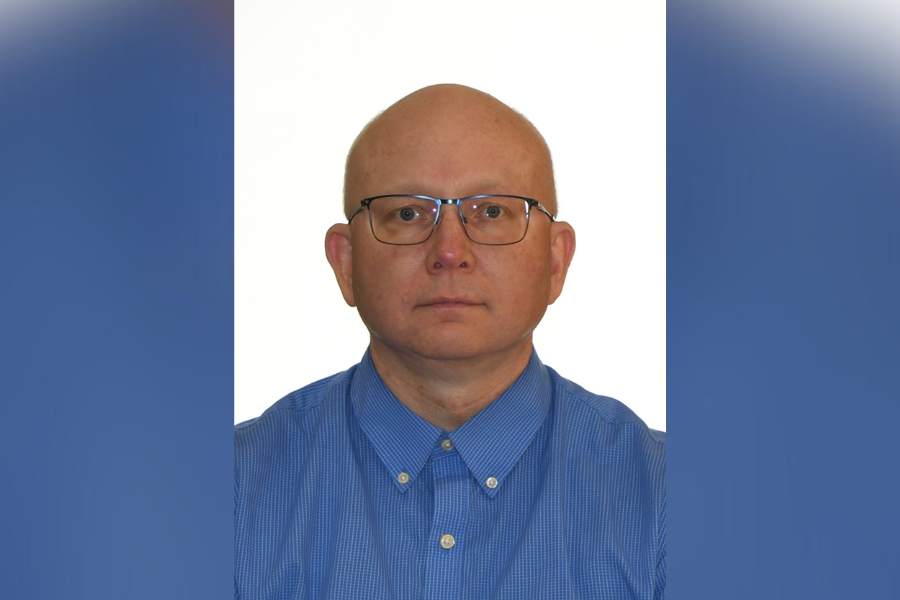
Dr. Linas Kumeliauskas works as a General Internist and teaches as an Assistant Professor at the University of Saskatchewan’s Regina campus. He first trained in Lithuania in internal medicine and gastroenterology before moving to Canada, where he pursued residency training at the University of Calgary. Dr. Kumeliauskas now leads the Division of General Internal Medicine in Regina and spends his time teaching medical students and residents. He is known for his calm demeanor, extensive medical expertise, and focus on advancing patient care and medical learning.
Q: Your work spans multiple countries. How has that shaped the way you practice medicine?
Linas Kumeliauskas: Working in different countries showed me how important it is to adjust to new systems while sticking to patient care basics. I realized how vital it is to focus on the patient’s story and physical exam, as those are always key. Every country has its own approach to managing care, and I got to see unique team approaches in those various setups. These moments gave me a better perspective of how clinical decisions are made. They also reminded me to keep an open mind and stay adaptable when looking at each case.
Q: What do you think are some misconceptions about general internists?
Linas Kumeliauskas: General internists work behind the scenes, but we handle a lot of complicated health issues. We coordinate care and long-term treatment plans for patients. Our training focuses on knowing how the body’s systems connect and work together. This is a profession that requires communication, patience, and attention to detail.
Q: You spend a lot of time teaching medicine. What traits do you hope your students develop?
Linas Kumeliauskas: I aim to help students and residents grow into skilled, thoughtful, attentive, and logical doctors. Knowledge of medicine matters, but it needs to go hand-in-hand with solid judgment and straightforward communication. When I teach, I try to demonstrate curiosity and humility by example. I also encourage learners to reflect on their experiences and keep asking questions. In medicine, progress often comes in small steps through learning and observing.
Q: What do you think is the hardest part of internal medicine today?
Linas Kumeliauskas: Managing patients who have multiple chronic illnesses that influence one another is one of the hardest tasks. These situations call for thoughtful planning, consistent follow-ups, and solid effort from teams of healthcare providers working together. Limited time and strained healthcare systems often make it harder to handle. The demand to make care more tailored to match what each patient needs keeps increasing. Helping patients through these processes requires dedication, reliability, and building trusting relationships.
Q: What keeps you grounded in your work?
Linas Kumeliauskas: I focus on whoever I am with, whether it is a patient or a student. I take time to understand their concerns so I can stay involved and present. I also set aside time to reflect after tough days. When I’m not working, I spend time with my family and go outside. These routines help me come to work every day with a clear and calm mind.
