

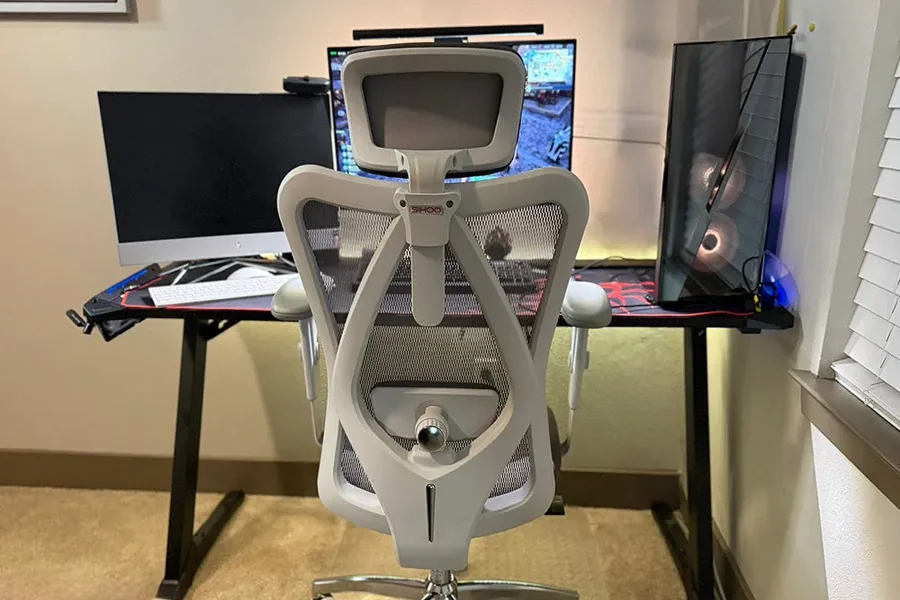
Experiencing discomfort with your new ergonomic chair? You’re not alone. Even the best‑designed seating can cause back pain if certain conditions aren’t met. At Sunaofe, we understand that proper support isn’t just about features—it’s about fit, movement, and alignment. Below, we dive into the reasons your ergonomic chair might be hurting your back and what you can do about it.
Poor Setup and Fit: The First Culprit
An ergonomic chair only works if it’s adjusted to your body. If your seat is too high or too low, your feet might dangle or your thighs are raised too much—both of which throw off hip and spine alignment. The wrong seat depth or backrest position can also cause you to slouch or lean forward, increasing pressure on your discs and ligaments. At Sunaofe, we emphasize adjustability—height, depth, lumbar support, armrests—to match your physique and your workspace.
Static Posture and Lack of Movement
Even the most supportive chair cannot fix sitting still for hours. Staying in one position compresses spinal discs, strains soft tissue, and weakens core and back muscles. Some users of ergonomic chairs report new aches only because their bodies are now being challenged to engage muscles that were previously inactive. Sunaofe chairs are designed for dynamic sitting—tilt, recline, and shift often. But you must also stand, stretch and vary posture throughout your day to feel truly comfortable.
Misplaced Lumbar Support or Over‑Support
Ironically, a chair with lumbar support can still cause back pain if that support doesn’t line up with your natural lumbar curve or is too rigid. A lumbar pad placed too high or too firm can force an unnatural arch, concentrating stress just below the support point. Sunaofe models allow you to customize lumbar height and depth so your lower back retains its natural S‑curve without over‑compensation or pinching.
Mismatch With Your Desk or Setup
Your chair is only one component of your workspace ecosystem. If your monitor is too low, your keyboard too far, or your desk too high, your body compensates and even an ergonomic chair can’t prevent strain. Sunaofe recommends a holistic approach—seat adjustment + desk height + monitor and keyboard placement = total comfort.
Quality and Build Matter
Not all “ergonomic” chairs deliver the support they promise. Poor materials, inflexible components, and simplified mechanisms can leave you unsupported. At Sunaofe, we build frames, mesh/fabric, and mechanisms with longevity in mind—not just initial comfort. A well‑made ergonomic chair holds up over time while maintaining true support.
Final Take: Listen to Your Body
If your back hurts in an ergonomic chair, it’s a signal—either the chair doesn’t fit you yet, or your setup and movement habits need rethinking. At Sunaofe, we encourage you to adjust, move, and align better—because a quality chair is just one layer of comfort. When fit, motion, and posture all align, your chair becomes a partner in your workday, not a source of strain.
