

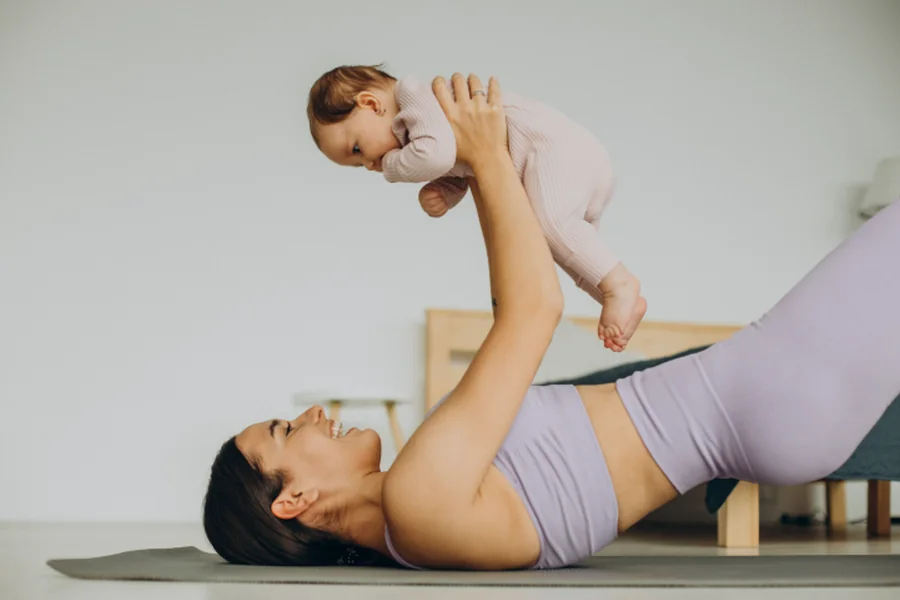
Welcoming a new baby into your life is a major transition. While it can bring moments of joy and connection, it can also come with feelings that are harder to talk about.
Many new mothers experience anxiety after childbirth. It may show up as constant worry, restlessness, or a feeling that something is not quite right. If this sounds familiar, you are not alone.
Postpartum anxiety is common, and more importantly, it is something you can get support for.
What Is Postpartum Anxiety?
Postpartum anxiety is a form of anxiety that develops after giving birth. It can begin shortly after delivery or build gradually over time.
It often involves persistent worry that feels difficult to control. These thoughts may focus on your baby’s safety, your health, or whether you are doing things “right.”
This does not mean anything is wrong with you. It means your mind and body are adjusting to a very real and demanding life change.
Common Signs of Postpartum Anxiety
Postpartum anxiety can look different for each person, but there are several common patterns.
You might notice:
- Constant or excessive worrying
- Racing thoughts that are hard to slow down
- Trouble sleeping, even when your baby is asleep
- Feeling tense or on edge most of the time
- Difficulty focusing or making decisions
- Physical symptoms like a fast heartbeat or tight chest
Some mothers also experience intrusive thoughts. These are unwanted thoughts that can feel alarming, even if you would never act on them. While they can be distressing, they are more common than people realize.
What Causes Postpartum Anxiety?
There is no single cause. In most cases, postpartum anxiety is the result of several factors coming together.
Hormonal Changes
After childbirth, hormone levels shift quickly. These changes can affect mood and increase sensitivity to stress.
Sleep Disruption
Lack of sleep plays a major role. Even a few nights of poor rest can make anxious thoughts feel more intense.
New Responsibilities
Caring for a newborn comes with a lot of pressure. Many mothers feel like they need to get everything right, which can be overwhelming.
Previous Anxiety
If you have experienced anxiety before, it may resurface during this time.
Feeling Isolated
Spending long periods at home or feeling disconnected from others can make your thoughts feel louder and harder to manage.
How It Can Affect Your Daily Life
One of the reasons postpartum anxiety goes unnoticed is because many mothers are still “functioning.”
You are taking care of your baby, managing your responsibilities, and getting through the day. But internally, it may feel very different.
You might:
- Second guess your decisions
- Feel overwhelmed by small tasks
- Struggle to enjoy moments that you thought would feel different
- Constantly worry about things that have not happened
Over time, this can become exhausting.
Ways to Cope and Feel More Grounded

You do not need to fix everything at once. Small, consistent changes can help you feel more stable and supported.
Give Yourself Space to Rest
Rest is not always easy with a newborn, but it is important.
Try to:
- Take short naps when you can
- Accept help from others
- Let go of tasks that are not urgent
Even a little extra rest can help regulate your emotions.
Talk About What You Are Feeling
It can be tempting to keep everything inside, especially if you feel like you should be handling it.
But talking about your experience can make a real difference.
Whether it is a friend, a partner, or a professional, opening up helps reduce the weight you are carrying.
Be Mindful of Information Overload
Searching for answers can feel helpful in the moment, but too much information can increase anxiety.
Try to limit:
- Late night searching
- Constant checking of symptoms
- Comparing your experience to others online
Less noise can help your mind feel calmer.
Use Simple Grounding Techniques
When anxiety starts to build, grounding techniques can help bring you back to the present moment.
You might try:
- Slow breathing
- Stepping outside for fresh air
- Focusing on what you can see and hear around you
These small practices can help your body feel safer.
Consider Professional Support
Sometimes, postpartum anxiety needs more structured support.
Speaking with a professional can help you understand what you are feeling and give you tools to manage it in a healthier way.
Some mothers begin exploring options like counseling services in Aventura when they realize they need a space to talk openly without judgment. Having that kind of support can make the process feel much less overwhelming.
Others prefer to look a little closer to home, especially if convenience matters during this stage. For example, many parents choose to connect with providers offering support in nearby areas such as Eastern Shores, where accessing care can feel more manageable with a newborn.
The most important thing is finding a place where you feel comfortable and understood.
When to Reach Out for Help
It is not always obvious when to seek support, especially if you are used to managing things on your own.
You may want to reach out if:
- Your anxiety feels constant or hard to control
- It is affecting your sleep or daily routine
- You feel overwhelmed most of the time
- You are experiencing intrusive or distressing thoughts
You do not need to wait for things to get worse before asking for help.
You Are Not Alone in This
Postpartum anxiety is more common than many people realize, even though it is not talked about enough.
If you are feeling overwhelmed, it does not mean you are doing anything wrong. It means you are adjusting to a major life change, and your mind is asking for support.
With the right help and understanding, it is possible to feel calmer, more confident, and more connected to your life again.
You do not have to go through this alone.
