

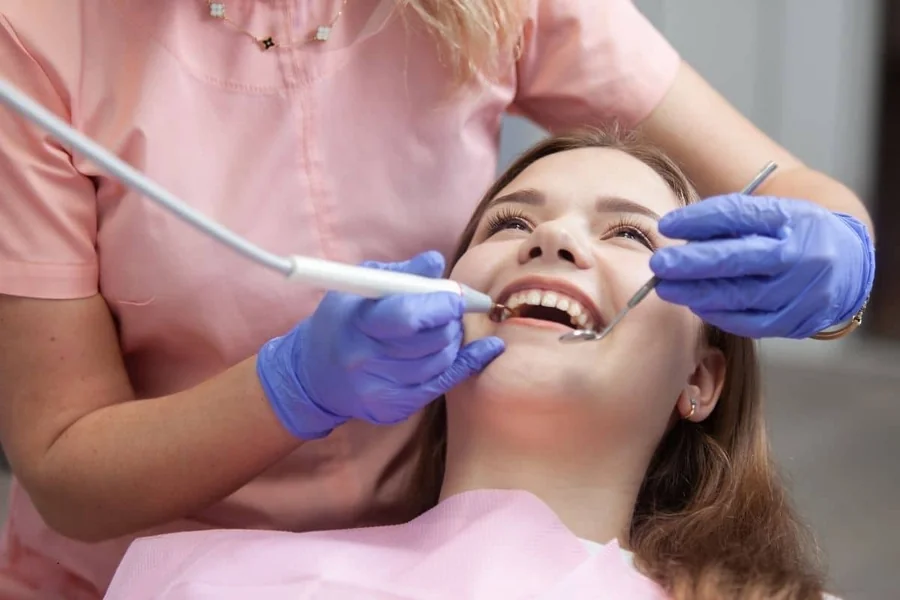
Maintaining a healthy smile is more than just an aesthetic choice; it is essential for overall health and well-being. Dental issues, if left unchecked, can lead to pain, infection, and even systemic health problems affecting the heart, lungs, and other organs. Fortunately, most dental problems are preventable with proactive care and attention to daily habits. This guide will help you understand how to prevent dental problems before they start, ensuring a lifetime of healthy teeth and gums.
Understanding Common Dental Problems
Before diving into prevention, it is important to know the most common dental issues people face:
- Tooth Decay (Cavities): Caused by bacteria in the mouth producing acids that eat away at enamel, cavities can lead to pain, infection, and tooth loss if untreated.
- Gum Disease (Gingivitis and Periodontitis): Inflammation of the gums can progress from gingivitis to periodontitis, potentially causing tooth loss and affecting overall health.
- Tooth Sensitivity: Often resulting from enamel erosion or gum recession, sensitivity can cause discomfort with hot, cold, or sweet foods.
- Bad Breath (Halitosis): Chronic bad breath is often a symptom of underlying dental issues like gum disease or tooth decay.
- Oral Cancer: While less common, oral cancers can be life-threatening if not detected early. Regular dental checkups are crucial for early diagnosis.
Understanding these problems highlights the importance of preventive care to avoid discomfort, costly treatments, and serious health consequences.
Daily Habits for Preventive Dental Care
Prevention starts with daily habits. These small, consistent actions can significantly reduce your risk of dental issues.
1. Brushing Properly
Brushing your teeth at least twice a day is foundational to oral health. Here are some tips to maximize effectiveness:
- Use Fluoride Toothpaste: Fluoride strengthens enamel and helps prevent cavities.
- Choose a Soft-Bristled Brush: Hard bristles can damage gums and enamel.
- Brush for Two Minutes: Ensure all surfaces of your teeth are cleaned, including fronts, backs, and chewing surfaces.
- Replace Brushes Regularly: Every 3–4 months, or sooner if bristles are frayed.
2. Flossing Daily
Flossing removes plaque and food particles between teeth, where toothbrushes can’t reach. Even one missed area can lead to cavities and gum disease. To floss effectively:
- Use about 18 inches of floss, winding most around your middle fingers.
- Gently slide the floss between teeth, curving it around each tooth.
- Avoid snapping or forcing floss, which can damage gums.
3. Rinsing with Mouthwash
Mouthwash can reduce bacteria, freshen breath, and strengthen enamel. Look for a mouthwash with fluoride or antibacterial properties. Avoid alcohol-based rinses if you have sensitive gums, as these can cause irritation.
4. Maintaining a Healthy Diet
Your diet directly impacts dental health. Foods high in sugar and starch increase the risk of cavities, while crunchy fruits and vegetables help clean teeth naturally. Consider these tips:
- Limit sugary drinks and snacks.
- Incorporate dairy products like milk and cheese for calcium.
- Eat fruits and vegetables rich in vitamins A and C to support gum health.
- Drink plenty of water to wash away food particles and maintain saliva production.
5. Avoiding Harmful Habits
Certain habits can accelerate dental problems:
- Smoking and Tobacco Use: Increases risk of gum disease, oral cancer, and staining.
- Excessive Alcohol Consumption: Can dry out the mouth, reducing saliva protection.
- Teeth Grinding (Bruxism): Often occurs at night and can wear down teeth; consider a night guard if recommended by your dentist.
Regular Professional Care
Even with excellent daily habits, professional dental care is essential to prevent problems before they start.
1. Routine Dental Checkups
Most dental professionals recommend checkups every six months. These visits allow dentists to:
- Detect cavities, gum disease, and oral cancers early.
- Remove tartar buildup that brushing and flossing can’t reach.
- Provide personalized advice on preventive care.
A patient dentist can explain procedures clearly and calmly, helping patients feel comfortable and confident in their care.
2. Professional Cleanings
Dental cleanings remove plaque and tartar from areas that are hard to reach at home. This reduces the risk of cavities and gum disease, keeping teeth smooth and healthy.
3. Sealants and Fluoride Treatments
- Sealants: A protective coating applied to chewing surfaces of molars to prevent cavities, especially in children and teenagers.
- Fluoride Treatments: Strengthen enamel and help repair early decay, ideal for patients at higher risk of cavities.
4. Early Intervention
Regular dental visits allow for early detection of issues. Catching problems before they worsen reduces the need for invasive treatments like root canals or extractions.
Special Considerations for Children and Seniors
Preventive dental care varies with age.
Children
- Begin dental visits by age one.
- Encourage proper brushing and flossing habits from a young age.
- Limit sugary snacks and drinks to protect developing teeth.
- Use fluoride toothpaste appropriate for age.
Seniors
- Pay attention to gum health and dry mouth, common with aging and medications.
- Regular dental visits help maintain denture fit and prevent oral infections.
- Maintain calcium and vitamin D intake to support teeth and bone strength.
The Link Between Oral and Overall Health
Oral health is connected to systemic health. Poor dental hygiene is associated with conditions such as:
- Heart disease
- Diabetes
- Respiratory infections
- Pregnancy complications
Preventing dental problems is, therefore, not just about a beautiful smile—it is a critical part of overall wellness.
Tips for Building a Preventive Dental Routine
Creating a sustainable preventive routine requires consistency and mindfulness. Here are strategies:
- Set a Schedule: Brush at the same times daily, such as after breakfast and before bed.
- Track Your Habits: Use a calendar or app to monitor brushing, flossing, and dental visits.
- Educate Yourself: Understand the warning signs of dental problems like bleeding gums, persistent bad breath, or tooth pain.
- Involve Your Family: Encourage children and partners to adopt preventive habits for a healthier household.
Conclusion
Preventing dental problems before they start is far more effective—and less painful—than treating issues after they develop. By practicing consistent daily hygiene, maintaining a balanced diet, avoiding harmful habits, and scheduling regular professional care, you can protect your teeth and gums for life. Remember, a healthy mouth is not just about appearance; it is an essential component of overall health. Take proactive steps today, and your future self will thank you with a smile that lasts a lifetime.
