

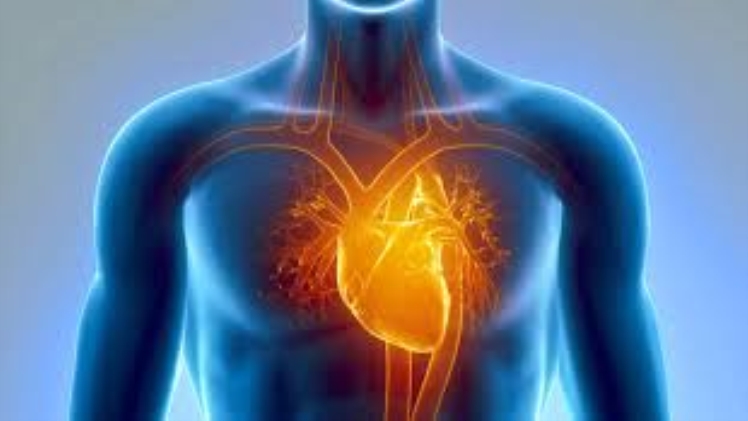
Heart disease covers a wide range of conditions. According to Deerfield Beach heart disease experts at Life Imaging Fla, the conditions mainly affect your heart muscle, coronary arteries, valves, and heart rhythm, each of which plays a vital role in your heart’s overall health. Your heart needs sufficient blood supply for it to function effectively. However, when your supply levels are low, the muscle does not get enough oxygen and nutrients it needs, resulting in chest pain mainly experienced after a rigorous exercise or hard labor. Ailments like coronary heart disease will affect how your heart pumps blood, affecting the other parts of your body. Without sufficient oxygen supply, your cells may fail to function, making you fatigued and short of breath.
What types of heart disease are you likely to have?
Several conditions are likely to impact your cardiovascular system, affecting your heart and blood vessels differently. They include:
Congenital heart defects
Conditions in the category are those you have from birth. Most defects involve your major structures, like a missing ventricle or unusual connection in your main arteries. However, most defects will not show noticeable signs and you might only know about them during a routine checkup. The various types of congenital defects you are likely to suffer from include:
- Septal defects (a hole between either of your heart’s chambers)
- Atresia (no opening in your valve)
- Atypical heart valves (valves that cannot open properly or leak blood)
Arrhythmia
You are likely to have an arrhythmia (irregular heartbeat) when your electrical impulses coordinating your heartbeat fail to work efficiently. The incoordination causes an irregularity in your heartbeat, forcing your heart to beat too slowly or too quickly. The different forms of arrhythmia include:
- Bradycardia (slow heartbeat)
- Tachycardia (rapid heartbeat)
- Atrial fibrillation (irregular heartbeat)
- Premature contractions (early heartbeat)
Coronary artery disease (CAD)
CAD is a common heart disease among the American population. The condition develops when plaque clogs the arteries supplying blood to your heart, forcing them to narrow and harden. Over time, your blood supply reduces, causing your heart to receive low levels of oxygen and nutrients. A persistent plaque build-up on your blood vessels weakens your heart muscle, increasing your risk of developing heart failure. Plaque piling in your arteries (atherosclerosis) may rupture the vessels, stopping your blood flow. As a result, you may have a heart attack.
Hypertrophic cardiomyopathy
You will most likely have the condition when a genetic issue affects your heart. If you have the hereditary disease, your heart’s walls thicken, making contractions impossible. As a result, the muscle might find it challenging to pump blood. Unfortunately, hypertrophic cardiomyopathy has no visible symptoms. However, the disease may advance over time, leading to several other heart complications. You may consult your healthcare provider for screening if you have a history of the condition in your family. Receiving early treatment will likely minimize your risk of developing complications.
Most of the conditions affecting your heart muscle are potentially fatal, especially when you delay treatment. Consult with your healthcare provider to find a way of slowing down the progression of heart disease to minimize your risk of developing complications.
