

Introduction:
Sarah, a second-year kinesiology student at a university in Ottawa, was no stranger to physical activity. She played intramural soccer, worked part-time as a barista, and spent late nights buried in textbooks. Over time, however, she noticed something wasn’t quite right. Her neck was constantly stiff, her shoulders felt tight, and she began waking up with tension headaches that made it hard to concentrate.
She tried stretching, pain relievers, massage—even yoga. But nothing brought long-lasting relief. That’s when she booked an appointment at Physiocare Physiotherapy & Rehab Centre, a well-known clinic offering evidence-based physiotherapy in Ottawa. Her therapist suggested something new to her: dry needling.
At first, Sarah was hesitant. “Needles? No thanks!” she thought. But after a detailed explanation, she gave it a shot—and the results surprised her. Within a few sessions, her pain had eased, her mobility improved, and her headaches were gone.
This article aims to demystify dry needling for students like Sarah, who may be dealing with chronic pain but are unsure about their options. Let’s explore what dry needling is, how it works, and why it’s gaining ground in modern physiotherapy clinics across Ottawa.
What Exactly Is Dry Needling?
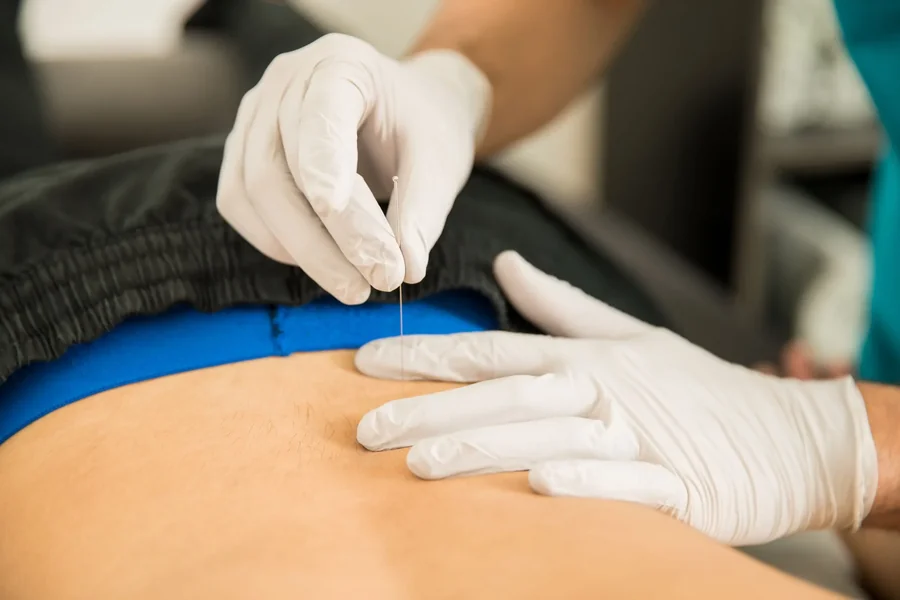
Dry needling is a technique used by licensed physiotherapists to treat myofascial trigger points—commonly known as muscle “knots.” These are tight, irritable spots within muscles that can cause pain locally or refer pain to other areas.
Here’s a breakdown of what dry needling involves:
- A thin, sterile needle is inserted into the trigger point.
- This causes a local twitch response, which helps reset the muscle fiber.
- The muscle relaxes, and blood flow improves, leading to pain reduction and improved mobility.
Despite the visual similarity to acupuncture, dry needling is fundamentally different:
| Feature | Dry Needling | Acupuncture |
| Origin | Western medicine | Traditional Chinese medicine |
| Focus | Trigger points, muscle dysfunction | Energy (Qi) flow, meridians |
| Purpose | Pain relief, restore muscle function | Balance body energy |
So while both use needles, they serve different goals and are based on different principles.
Who Can Benefit from Dry Needling?
Dry needling can be a game-changer for students and young professionals who deal with recurring pain due to stress, poor posture, or physically demanding jobs. At Physiocare Physiotherapy & Rehab Centre, dry needling is commonly integrated into personalized treatment plans for conditions such as:
- Chronic neck and shoulder tension
Especially common among students who study for long hours at laptops or mobile screens.
- Lower back pain
From sitting in uncomfortable positions or carrying heavy backpacks.
- Tension headaches and migraines
Often triggered by muscle stiffness in the upper back and neck.
- Sports-related muscle tightness
For student-athletes dealing with hamstring strains, calf cramps, or shin splints.
- Repetitive strain injuries
Including carpal tunnel or tendonitis from typing, lifting, or repetitive movement.
Dry needling doesn’t replace other therapies—it enhances them. A skilled physiotherapist in Ottawa might combine dry needling with:
- Manual therapy
- Therapeutic exercises
- Posture education
- Soft tissue mobilization
- Electrical stimulation
It’s this comprehensive approach that often leads to the best outcomes.
What to Expect During a Dry Needling Session
If you’re new to the idea, you might wonder: does it hurt? What exactly happens in the room?
Here’s a step-by-step idea of what to expect during a dry needling session at a clinic
- Initial Assessment
The physiotherapist will assess your pain, posture, and movement patterns. They will locate the trigger points in your muscles that might be contributing to your symptoms.
- Explanation of the Procedure
You’ll be informed about the process, potential sensations, and benefits. Consent is always obtained before starting.
- The Needling
- The physiotherapist inserts a thin, sterile needle into the muscle.
- You may feel a twitch or cramping sensation—a sign the trigger point is releasing.
- It’s typically not painful, though it might be uncomfortable for a few seconds.
- The physiotherapist inserts a thin, sterile needle into the muscle.
- Aftercare and Follow-Up
- Mild soreness, like post-workout soreness, is normal.
- You may be given exercises or stretches to maximize results.
- Mild soreness, like post-workout soreness, is normal.
Students often report a feeling of lightness or increased mobility immediately after their sessions. Over a few treatments, chronic pain begins to reduce significantly.
Busting the Common Myths
Let’s address a few myths and concerns you might have heard:
- Myth 1: “It’s the same as acupuncture.”
→ No, dry needling is focused on releasing tight muscles based on physical anatomy.
- Myth 2: “It’s too painful.”
→ Most patients experience mild discomfort, but it’s brief and tolerable. Many find the relief well worth it.
- Myth 3: “Only athletes or older adults need this.”
→ Not true. College students and young professionals make up a growing percentage of dry needling patients in Ottawa due to lifestyle-driven pain.
- Myth 4: “It’s not scientifically backed.”
→ On the contrary, numerous studies support dry needling’s effectiveness for managing musculoskeletal pain when used as part of a broader physiotherapy program.
Why Ottawa Students Should Care
Chronic pain doesn’t discriminate by age. Many students spend 8–10 hours a day hunched over their devices or working part-time jobs that strain their body. These repetitive stresses can lead to long-term dysfunctions if not addressed early.
Here’s why Ottawa-based students should consider dry needling as part of their care:
- Prevent long-term pain from becoming permanent
- Improve focus and sleep by reducing physical discomfort
- Restore strength and flexibility before it impacts daily life
- Avoid unnecessary dependence on medication
Conclusion: Small Needles, Big Results
Sarah’s story is a reminder that small interventions can lead to big changes. For her, dry needling was the missing puzzle piece in her recovery. Not only did it help with her symptoms, but it also taught her the importance of addressing muscle dysfunction before it worsens.
If you’re dealing with tension, discomfort, or chronic aches—and nothing else seems to work—it may be time to explore dry needling. A licensed physiotherapist can guide you through a personalized plan that addresses the root cause of your pain, not just the symptoms.
Remember: You don’t have to live with pain. Sometimes, the solution is just a needle away.
