

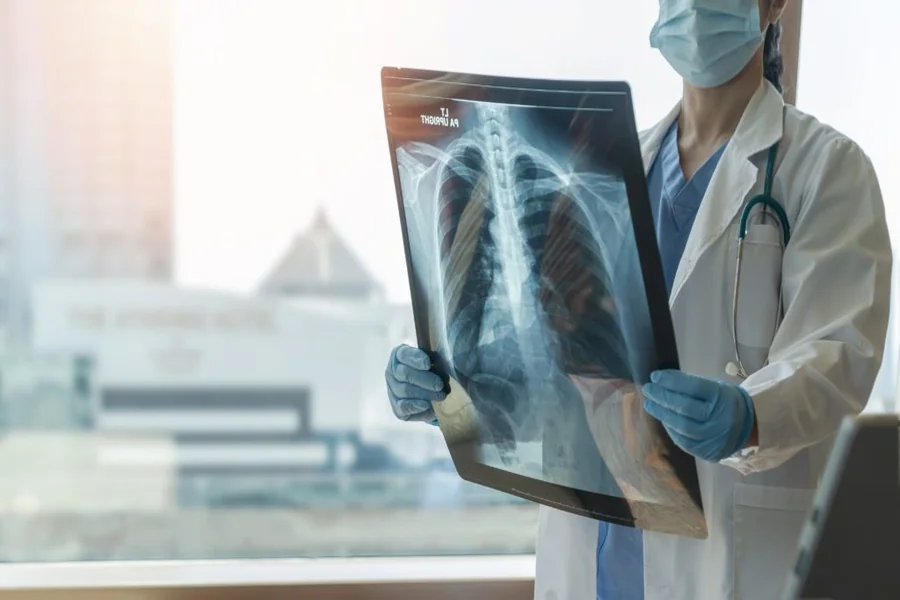
Ever wonder how doctors figure out what’s wrong in an emergency? That’s where radiology comes in. It helps doctors see inside your body fast. Let’s explore how it helps save lives every single day.
What Radiology Means in an Emergency Setting
Radiology in an emergency means using special pictures to find problems fast. These pictures are taken using machines like X-rays, CT scans, and ultrasounds. The goal is to see what’s going wrong inside your body, so doctors can act quickly.
Imagine if someone got hurt in a car crash or fell badly. Doctors don’t always know right away what’s broken or hurt. Radiology gives them a peek inside, without cutting you open. This is super important in emergencies because every second counts.
In a hospital, these pictures are often taken within minutes. Then, a doctor called a radiologist looks at them. They tell emergency doctors what’s happening inside your body. That’s how they know what to do next.
Why Emergency Rooms Need Radiology
Let’s say you fall off your bike and hurt your leg. The doctor could guess what’s wrong, but they would rather be sure. So they order an X-ray. That X-ray shows if you’ve broken a bone. Once they see the picture, they know whether to put your leg in a cast or do surgery.
Now imagine someone has chest pain. It might be a heart attack — or something else. Radiology tools like CT scans or ultrasounds help doctors see if it’s serious. If it is, they jump into action right away.
Hospitals that use fast radiology tools often save more lives. According to a study from the American College of Radiology, hospitals with 24/7 radiology services treat trauma cases 30% faster. That’s a big deal when every minute matters.
Meet the Machines That Save Lives
There are a few key tools used in emergency radiology. Let’s meet them:
X-Ray
This is the most common one. You stand or lie still while a picture is taken. It’s mainly used for checking bones. Did you hurt your arm? They’ll use an X-ray.
CT Scan (CAT Scan)
This one is like a super X-ray. It takes many pictures and shows tiny details. It’s great for checking the head, chest, belly, or spine. Doctors can catch things like bleeding inside your head or broken ribs.
Example: A 28-year-old man came to the ER after a motorcycle crash. He looked fine but had a headache. A CT scan showed bleeding in his brain. He was rushed to surgery. Without that scan, things could’ve ended badly.
Ultrasound
This test uses sound waves to create pictures. It’s great for checking soft parts like hearts or bellies. It’s also fast and doesn’t use any harmful rays. In pregnancy or belly pain cases, doctors often turn to an ultrasound first.
MRI (Used Less Often in Emergencies)
MRIs give very clear pictures but take longer. They aren’t used a lot in the ER unless it’s something tricky like swollen brain tissue or soft tissue injury.
Doctors Behind the Screens: Who Are Radiologists?
Radiologists are doctors who read these special pictures. They are like detectives. They look at your scan and find clues about what’s wrong. Then they talk to the emergency doctors so they can treat you right away.
Radiologists usually don’t meet patients face-to-face. But their work is key. Without them, emergency doctors would be working in the dark.
Here’s something cool: AI (artificial intelligence) is now helping radiologists spot issues faster. Some hospitals use machines that read X-rays in seconds and point out injuries. This helps the doctor confirm the problem even quicker.
Real-Life Stories That Show The Power of Radiology
Here are a few quick stories where radiology made a big impact.
The Hidden Internal Bleed
Sarah, aged 14, fell off her horse. She wasn’t in pain, but her skin looked pale. Doctors did an ultrasound and found blood collecting in her belly. She got surgery right away and recovered well.
The Mystery Chest Pain
John, aged 63, had chest pain and fever. Doctors thought it was pneumonia. A chest X-ray didn’t show much. So they did a CT scan. It showed a lung clot that could have caused sudden death. He got the right treatment on time.
Head Injury at the Playground
Marcus, 10 years old, fell off a jungle gym and hit his head. He was awake, but acting strange. A CT scan showed swelling in his brain. Surgeons brought the swelling down, and he was back home in a week.
These stories show just how important fast images can be.
How Fast Imaging Saves Time and Lives
In emergencies, time matters more than ever. There’s even a saying, “Time is brain,” especially for strokes. Every minute without treatment, 1.9 million brain cells die. A CT scan can show blockage in less than 5 minutes.
Even in trauma cases, having a fast CT scan ready can cut surgery time by 45%. That means more lives saved and fewer serious problems later.
Problems and Challenges
Radiology in emergencies is amazing, but it’s not perfect.
- Sometimes, emergency rooms are super busy. This creates wait time for scans.
- Not all hospitals have 24-hour radiologists. That causes delays.
- In rural areas, scans must sometimes be shared with big-city radiologists online, adding minutes.
Still, more hospitals are investing in faster tools and digital sharing. That means better care for everyone, even in small towns.
What You Can Do as a Patient or Parent
Even though doctors run the show, you can help too:
- If you’re hurt, tell doctors exactly how it happened. Clear info helps.
- Don’t wait too long to go to the ER if you feel very sick.
- Ask questions so you understand what scan is being done and why.
Radiology: The Silent Hero in Every Emergency
Radiology is like a superhero working behind the scenes. It helps doctors see what’s wrong fast. With smart tools and trained experts, it saves lives every minute.
Quick Action Steps
- If you ever visit the ER, know radiology is part of your care.
- Trust that the scans help doctors make smarter, faster choices.
- Don’t be afraid to ask the ER team what the scan showed.
Radiology may be quiet, but it’s one of the loudest tools when saving lives.
