

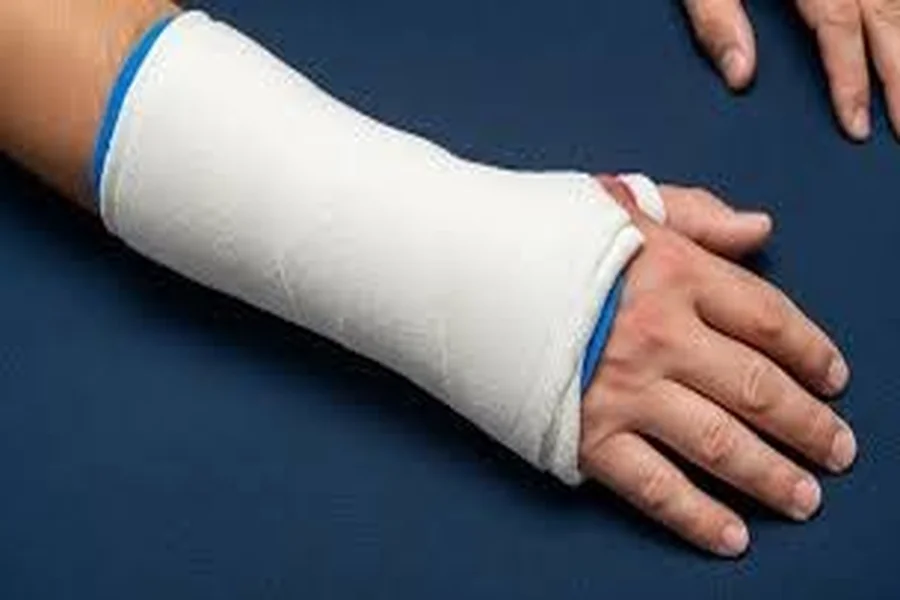
It can be very frustrating and overwhelming to break your wrist. Buttoning a shirt, holding a cup of coffee, and typing on a keyboard are all things that suddenly become hard to do. When you first get hurt, the focus is usually on treating the fracture itself. But the recovery process doesn’t end when the cast comes off. That’s when the real work starts.
Getting the right support is one of the most important things you can do to heal after a wrist fracture. Using the right wrist support or thumb wrist splint while you heal can make a big difference in how comfortable you are, how confident you feel, and how well you heal in the long run.
What Happens After the Cast Is Taken Off?
A lot of people think that everything will go back to “normal” after the cast comes off. But the truth is different. The wrist often feels like this:
- Stiff Weak
- Swollen
- Sensitive to movement
Muscles may have gotten weaker while they were immobilized, and the ligaments and tendons around them need time to get used to it again. The bone is healing, but it can’t handle full stress yet.
This is where immobilization supports come in. They won’t completely stop you, but they will protect your progress.
Why immobilization is still important during recovery
It may seem strange to keep wearing a wrist support after being in a cast for weeks. But structured support during the transition phase has a number of important goals:
- It stops sudden or harmful movements.
- It keeps the joint in line.
- It reduces the stress on tissues that are healing.
- It helps control swelling that won’t go away.
It gives you confidence, which is the most important thing. A lot of people are afraid to move their wrist freely after a fracture. A wrist support that fits well can make you feel better while you slowly get stronger.
What a wrist support can do for everyday healing
A good wrist support keeps the joint stable without completely immobilizing it. It lets you move around a little bit safely, which helps blood flow and keeps you from getting stiff.
A supportive brace can help you feel less tired and stop you from overdoing it while doing everyday things like cooking, driving, or working at a computer. It protects your wrist while it gets stronger.
A lot of people say that wearing wrist support during busy times of the day and taking it off during guided exercises strikes a good balance between protection and rehabilitation.
When a thumb wrist splint is necessary
Wrist fractures don’t all look the same. Some injuries hurt the thumb side of the wrist, which is very important for grip and hand strength. A thumb wrist splint might be a good idea in these situations.
This kind of splint keeps the wrist and thumb steady, which limits movements that could put stress on bones and tendons that are healing. It is very helpful if:
- Your wrist fracture was on the side of your thumb.
- You feel pain when you hold things.
- You had surgery on the base of your thumb.
The thumb is important for almost all hand functions, so protecting it while it heals can help avoid problems and pain.
It takes time to heal. After a broken bone, the healing process usually goes through these steps:
| Recovery Phase | What You Might Feel | Suggested Help |
| Early post-cast phase | Weakness and stiffness | Strong support for the wrist |
| Rebuilding strength phase | Slight pain during activity | Wrist support that can be changed |
| Advanced recovery | Sometimes feeling tired | Light wrist support or selective use |
| Involvement of the thumb | Pain when gripping | Splint for the thumb and wrist |
Finding a balance between support and movement
Stiffness is one of the most worrisome things that can happen during recovery. It’s important to keep someone still, but too much restriction for too long can slow down their recovery. That’s why doctors and nurses often suggest a balanced approach:
- Wear your wrist support while doing things that put stress on it.
- Take it off during approved exercises or therapy sessions.
- As your strength grows, slowly stop relying on it.
Think of your support brace as a workout buddy. It keeps you safe when you need it, but it also helps you become more independent as you heal.
Emotional Healing is Important Too
Wrist fractures can hurt your confidence in more ways than one. A lot of people are afraid of falling again or hurting the joint again. Wearing a wrist support or thumb wrist splint during this time of weakness can often help you feel better mentally.
When you feel supported, it can be easier to go back to work, your hobbies, or working out without always being afraid.
How to Pick the Right Support for You
When choosing a brace to help you heal, think about:
- Comfort for long periods of time
- Adjustable compression to fit swelling
- Materials that let air through
- A good fit for stability without being too tight
If your thumb still hurts, getting a thumb wrist splint may give you the extra support you need for tasks that require gripping or lifting.
Getting back to everyday life safely
As you heal, you may notice small changes, like being able to move more easily, less pain, and stronger grip strength. Celebrate these milestones, but don’t rush things.
Keep using wrist support when you do things that are more likely to hurt your wrist, like lifting heavy things or working out. As your strength returns and the pain goes away, you will need it less and less.
It’s not enough to just heal a broken bone; you also need to restore function, confidence, and comfort.
Final Thoughts
Recovery from a fractured wrist requires patience, consistency, and the right support. Immobilisation supports, whether a structured wrist band or a thumb wrist splint, play a vital role in protecting the joint while you rebuild strength.
When guided support, along with recommended rehabilitation, is done, it gives your wrist the best possible chance to recover fully. Healing takes time, but with the right match of protection and mobility, you can return to your daily lifestyle more confident, stronger and safer than before.
