

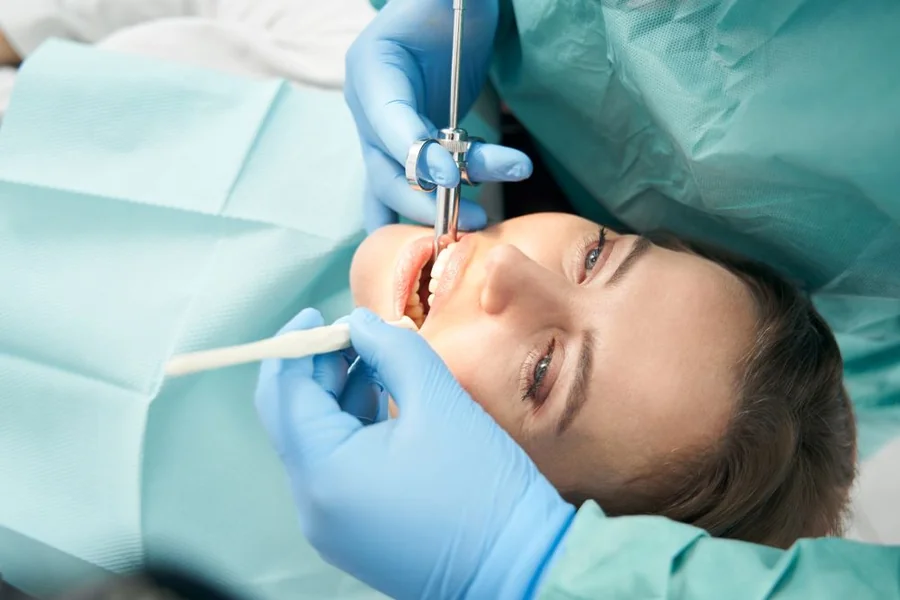
For many people, just hearing the word “dentist” can bring on a wave of anxiety. Whether it’s the sound of the drill, the fear of pain, or a past bad experience, dental visits aren’t always easy to face. If this sounds familiar, you’re not alone—dental anxiety affects millions. The good news? Sedation dentistry offers a way to take the edge off, helping patients relax and get the care they need without all the stress. It’s not about “knocking you out,” but rather gently easing you into a calm, comfortable state while the dentist works their magic. Below are five ways sedation dentistry can ease your dental anxiety and make your next appointment feel like a walk in the park.
1. It Calms the Mind Before the Appointment Even Starts
One of the most powerful benefits of sedation dentistry is its ability to calm your nerves before you even sit in the dental chair. For patients who feel jittery the night before or wake up with a stomach full of butterflies, knowing sedation is an option can provide peace of mind.
Often, sedation medications are prescribed to be taken before arriving at the clinic, helping to ease anxiety early. This means you’re more likely to go through with the appointment instead of cancelling or postponing it. The anticipation is often worse than the actual procedure, and sedation helps bridge that mental gap. Just having the option available can shift your mindset from dread to relief. Patients frequently report feeling more in control and less overwhelmed. This gentle reassurance alone is a game-changer for those with dental fears.
2. It Reduces Sensitivity to Sounds, Smells, and Sensations
Dental offices can be sensory minefields—buzzing tools, sharp smells, and bright lights can trigger panic for anxious patients. Sedation dentistry dulls these sensations, making the entire experience feel much more tolerable. You may still be aware of your surroundings, but everything feels more distant and less threatening.
For those who are sensitive to noise or the feeling of instruments in their mouth, this can make a huge difference. Your brain simply won’t register the discomfort in the same way it would without sedation. Even the smell of the clinic, which some associate with past traumatic experiences, tends to fade into the background. By muting these environmental triggers, sedation allows patients to focus on staying calm. It transforms the dental chair from a place of stress into a place of rest.
3. It Helps with Strong Gag Reflexes and Fear of Pain
People with a strong gag reflex often dread dental procedures—not because of fear, but because their bodies react uncontrollably. Sedation dentistry relaxes the body and muscles, making it easier to keep your mouth open without discomfort or choking sensations.
It’s also incredibly effective for patients who fear pain, even from minor procedures like cleanings. The sedative helps dull physical sensations while keeping you aware enough to respond if needed. This combination of reduced pain perception and muscle relaxation means your appointment will feel shorter and more manageable. You won’t be gripping the chair or flinching with every movement. In fact, many people barely remember the procedure at all. Sedation makes it possible to receive necessary dental work that may have otherwise been avoided entirely.
4. It Allows for More Work in Fewer Visits
Dental anxiety often leads people to postpone treatment until their dental issues become more complex. The longer you wait, the more work you may need—which can feel even more overwhelming. Sedation dentistry makes it possible for dentists to complete multiple procedures in a single visit because patients remain relaxed for longer periods. That means fewer appointments, less buildup of anxiety, and quicker recovery.
It’s also especially helpful for patients who need extensive work, such as multiple fillings, root canals, or extractions. Instead of spacing these out over weeks or months, you can have them taken care of in one go. This not only saves time but also reduces the emotional toll of multiple visits. With sedation, you can get back on track with your oral health much faster, without feeling mentally drained.
5. It Builds Positive Experiences for the Future
The goal of sedation dentistry isn’t just to get you through one difficult appointment—it’s to change the way you feel about going to the dentist altogether. By replacing stressful memories with calm and comfortable ones, sedation helps retrain your brain’s association with dental care.
Over time, some patients find they need less sedation or none at all as their anxiety decreases. This shift doesn’t happen overnight, but it’s a powerful step toward better long-term oral health. With each visit, your confidence grows. You may even find yourself looking forward to appointments, knowing they won’t be as stressful as before. Different local clinics, like Restore Dental Wellness, use this approach to support patients with a history of dental anxiety—not by pushing treatments, but by meeting people where they are emotionally and physically. This kind of patient-first care makes all the difference when building trust with your dentist.
Conclusion
Feeling anxious about the dentist is nothing to be ashamed of—but avoiding the care you need doesn’t have to be your only option. Sedation dentistry offers a path forward, allowing you to prioritize your health without unnecessary fear. Whether you’re dealing with mild nervousness or severe phobia, talk to your dentist about what sedation options are available. Your comfort matters, and there’s a way to smile through it—without the stress.
