

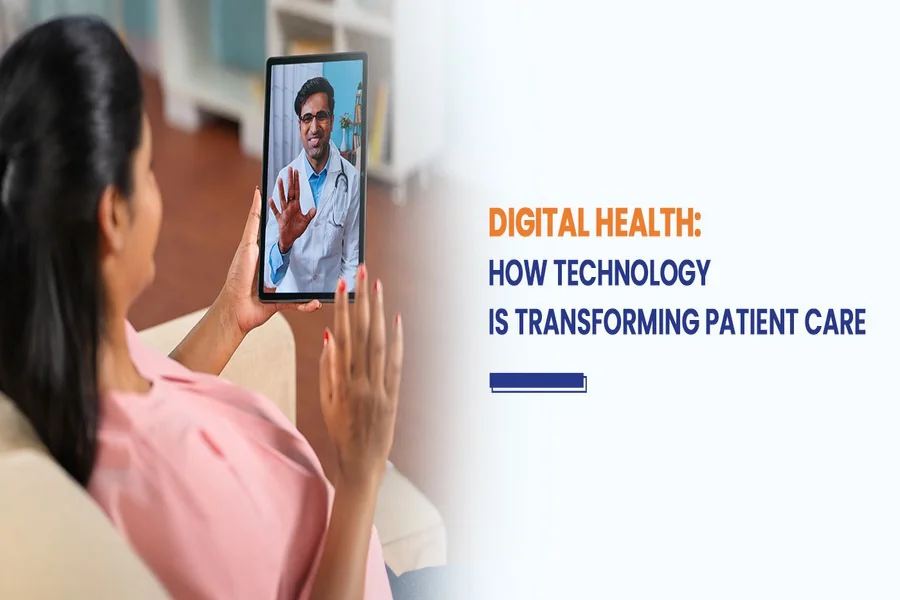
Healthcare today is evolving faster than ever before. Patients no longer want to wait in long queues or spend hours on the phone just to schedule an appointment. With advances in technology, the way we interact with medical services has changed dramatically, and one of the most impactful innovations is Clinic Booking systems. These platforms have simplified access to doctors, specialists, and healthcare facilities, creating a seamless connection between patients and providers.
The Rise of Digital Health Platforms
In the past, scheduling a medical appointment involved calling a clinic during working hours, waiting for availability, and often facing delays due to miscommunication. Digital booking systems have eliminated these barriers by allowing patients to arrange consultations anytime, anywhere.
Platforms like Clinic Booking are designed to make healthcare more patient-centered. They provide easy navigation, a transparent view of doctor availability, and flexible options for both in-person visits and online consultations. This shift not only saves time but also increases efficiency for clinics managing high volumes of patients.
Why Patients Prefer Online Clinic Booking
There are several reasons why online booking has become the preferred method for patients:
- Convenience – Patients can schedule an appointment at any hour, without being restricted to office timings.
- Transparency – Available time slots and doctor profiles are clearly visible, helping patients choose according to their needs.
- Fewer No-Shows – Automated reminders reduce missed appointments, benefiting both patients and clinics.
- Flexibility – Options for rescheduling or canceling are faster and less complicated compared to phone bookings.
The demand for digital healthcare services continues to grow, especially among younger generations and professionals who value time efficiency.
Expanding Access Through e-Consultations
Beyond scheduling, online healthcare platforms now integrate virtual medical services. With Clinic Booking e-Consultation, patients can consult doctors remotely, eliminating geographical barriers. This innovation is particularly valuable for individuals living in rural areas, those with mobility challenges, or busy professionals who cannot always make in-person visits.
e-Consultations provide:
- Faster Access to Care – No travel time or waiting rooms.
- Greater Privacy – Patients can seek advice discreetly from the comfort of home.
- Continuity of Care – Follow-up sessions can be managed more effectively online.
For clinics, e-Consultation services help expand patient reach, optimize time management, and reduce overcrowding in waiting areas.How Clinic Booking Benefits Healthcare Providers
While patients enjoy the convenience of digital booking, clinics and doctors also see significant advantages. Automated scheduling reduces administrative workload, allowing medical staff to focus on patient care rather than paperwork.
Key benefits for providers include:
- Improved patient flow management.
- Reduced scheduling errors.
- Enhanced reputation by offering modern, patient-friendly services.
- Data tracking that helps clinics analyze appointment trends and improve efficiency.
By adopting platforms like Clinic Booking, healthcare facilities can adapt to the digital age and remain competitive in an increasingly tech-driven world.
Building Trust Through Technology
One of the biggest challenges in healthcare is building trust between patients and providers. A reliable booking system enhances this relationship by ensuring accuracy, minimizing waiting times, and providing clear communication. Patients feel more confident knowing that their appointment is secure and their consultation will run smoothly.
Furthermore, integration with telemedicine means that care is no longer limited to physical locations. This hybrid model of in-person and online healthcare ensures that patients receive timely attention regardless of where they are.
The Future of Patient Care
As technology continues to shape the healthcare industry, digital booking and teleconsultation will play an even greater role. Artificial intelligence may soon help patients match with the right specialists based on symptoms, while data analytics will assist clinics in predicting demand and allocating resources effectively.
In the coming years, Clinic Booking systems will not just be about scheduling—it will evolve into a complete ecosystem that supports preventive care, chronic disease management, and real-time health monitoring.
Conclusion
The healthcare experience is shifting from a clinic-centered model to a patient-centered one. By embracing tools like Clinic Booking and Clinic Booking e-Consultation, both patients and providers benefit from greater convenience, efficiency, and connectivity.
This transformation ensures that healthcare becomes more accessible, more transparent, and more aligned with the needs of modern society. In a world where time and health are both precious, digital booking systems are not just a trend—they are the future of medical care.
