

Hair loss is a common concern that affects people worldwide, but not all forms of hair loss are the same. One condition that often surprises those who experience it is alopecia areata. Unlike gradual thinning caused by genetics or aging, alopecia areata appears suddenly and can be distressing due to its unpredictable nature.
This autoimmune disorder affects both men and women and can occur at any age. While it is not life-threatening, its emotional and psychological impact can be significant. Thankfully, modern medicine and aesthetic solutions now provide multiple approaches to manage and treat the condition.
What Is Alopecia Areata?
Alopecia areata is an autoimmune condition where the body’s immune system mistakenly attacks healthy hair follicles, causing hair to fall out in small, round patches. These patches can appear on the scalp, eyebrows, beard, or other parts of the body.
The severity of the condition varies. Some people experience only a few small bald spots, while others may have more widespread hair loss. In rare cases, the condition can progress to alopecia totalis (complete loss of scalp hair) or alopecia universalis (loss of all body hair).
Causes and Risk Factors
The exact cause of alopecia areata remains unclear, but researchers believe it results from a combination of genetic and environmental factors. Some key risk factors include:
- Family history of autoimmune diseases
- High levels of stress
- Other autoimmune conditions such as thyroid disease or vitiligo
- Viral or bacterial infections that may trigger the immune response
While alopecia areata is not contagious, its sudden onset often leads to confusion and anxiety.
Signs and Symptoms
The most recognizable symptom of alopecia areata is patchy hair loss. Additional signs may include:
- Tingling or itching in the affected area before hair falls out
- “Exclamation mark” hairs — short, broken hairs that taper at the base
- Nail changes, such as ridges, dents, or white spots
Because the condition is unpredictable, hair may regrow on its own in some cases, while in others, hair loss continues or recurs over time.
Modern Treatment Options
Although there is currently no permanent cure for alopecia areata, several treatments can help manage symptoms and encourage regrowth. The effectiveness of treatment varies depending on the individual, the extent of hair loss, and how long the condition has been present.
- Corticosteroid Therapy
Corticosteroids are anti-inflammatory drugs that suppress the immune system’s attack on hair follicles. They may be applied topically, injected into bald patches, or taken orally, depending on the severity of the condition. - Topical Immunotherapy
This involves applying chemicals such as diphencyprone (DPCP) to the scalp to provoke an allergic reaction. The reaction stimulates the immune system in a way that encourages hair regrowth. - Minoxidil (Topical Solution)
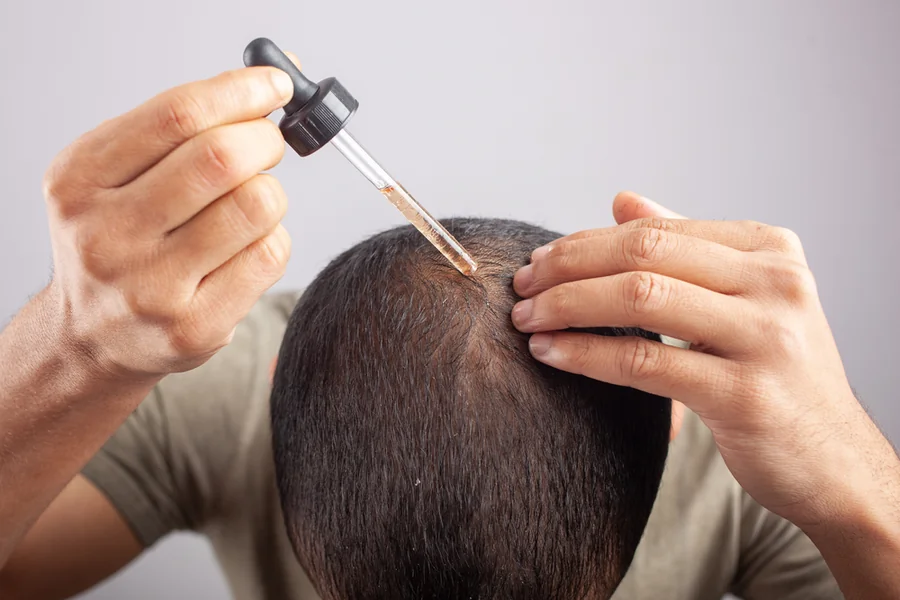
Commonly used for other types of hair loss, Minoxidil can also support regrowth in alopecia areata. While it does not cure the condition, it may help maintain and thicken hair in affected areas. - Platelet-Rich Plasma (PRP) Therapy
PRP involves drawing a small amount of the patient’s blood, processing it to concentrate growth factors, and injecting it into the scalp. This therapy is showing promise as a supportive treatment for autoimmune-related hair loss. - Light and Laser Therapy
Low-level laser therapy (LLLT) has been used to stimulate follicle activity and improve scalp circulation. While not a cure, it can be part of a combined treatment plan. - Supportive Care and Lifestyle Adjustments
Stress management, proper nutrition, and scalp care are important in supporting overall hair health and complementing medical treatments.
For those exploring professional solutions, options for alopecia areata treatment Singapore clinics provide include both medical therapies and aesthetic approaches, making it possible to create a personalized plan that balances effectiveness and comfort.
Emotional and Psychological Support
Hair loss can be emotionally challenging, especially with a condition as unpredictable as alopecia areata. Many individuals experience lowered self-esteem, anxiety, or even depression. Supportive care is just as important as medical treatment.
- Counseling or therapy: Talking to a professional can help manage emotional stress.
- Support groups: Connecting with others who share similar experiences provides encouragement and reassurance.
- Cosmetic solutions: Wigs, scarves, or microblading for eyebrows can help restore confidence while undergoing treatment.
The Future of Alopecia Areata Treatment
Research into autoimmune conditions like alopecia areata is ongoing, and new therapies are emerging. Studies into JAK inhibitors (a type of medication that suppresses specific immune pathways) have shown promising results in clinical trials. As research advances, more effective and targeted treatments are expected to become available.
Final Thoughts
Alopecia areata is a condition that can feel unpredictable and overwhelming, but it is important to remember that it can be managed. With the right combination of medical treatment, supportive care, and lifestyle changes, many people experience regrowth and regain their confidence.
Modern advancements in dermatology and aesthetics continue to provide hope, offering safe and effective solutions tailored to individual needs. For anyone facing this condition, the first step is to seek professional advice and explore the options available — because while alopecia areata may affect your hair, it doesn’t have to define you.
