

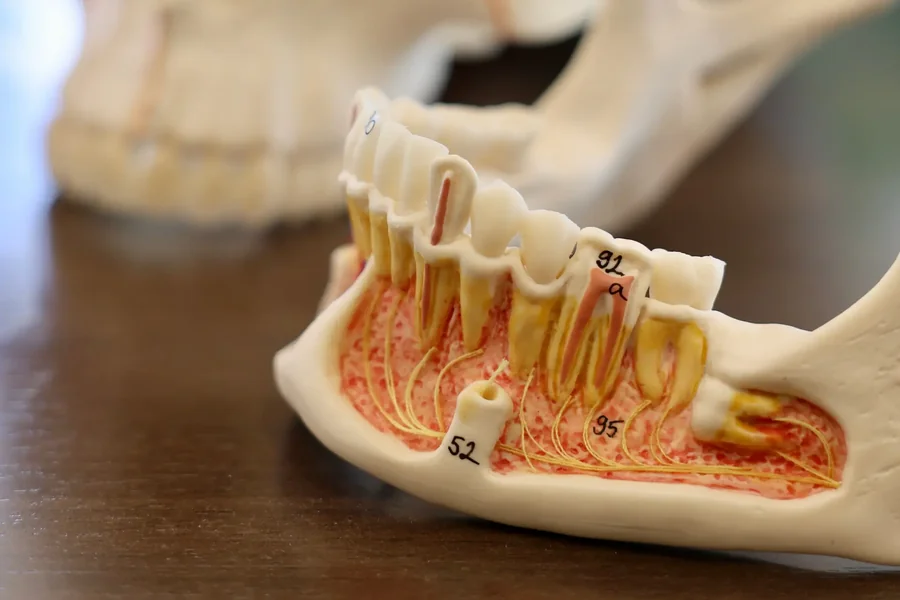
Tooth pain, sensitivity, persistent discomfort, or a deep cavity can force anyone to consider urgent dental care. When an infection reaches the inner pulp of a tooth, two primary treatment options often come to mind: a root canal or a tooth extraction. While extraction may seem like a quick and straightforward fix, modern clinical standards consistently show that preserving the natural tooth whenever possible leads to better long-term oral health. A root canal, when recommended by a dentist, is one of the most predictable and restorative solutions for saving natural teeth while eliminating pain and infection.
Root canal therapy has advanced significantly with today’s technologies, making it far more comfortable, efficient, and reliable than it was decades ago. Rather than removing the entire tooth, the procedure focuses on cleaning and disinfecting the internal canals, then sealing and strengthening the structure. Because of its conservative and restorative approach, a root canal aligns with the core principles of preventive dentistry: retain what is healthy, restore what is damaged, and avoid unnecessary tooth loss.
One of the primary advantages of choosing a root canal over extraction is the preservation of natural function. Your natural teeth are uniquely designed to support bite strength, jaw alignment, and overall chewing efficiency. kaiyo Removing a tooth changes how force is distributed, which can create complications such as shifting teeth, an imbalanced bite, jaw discomfort, or uneven wear on the remaining teeth. By saving the natural tooth, patients maintain their optimal oral biomechanics.
Another critical benefit of root canal therapy is its role in preventing bone loss. Each tooth root stimulates the jawbone through natural chewing forces, keeping the bone dense and healthy. When a tooth is extracted, the bone in that area begins to resorb due to lack of stimulation. Over time, this can affect facial structure, lead to additional dental issues, and limit future restorative options. A root canal avoids these complications entirely by allowing the tooth—and its root—to remain securely in place.
Financially, choosing a root canal is often more cost-effective in the long term. While extraction may initially seem more affordable, the need for follow-up treatments such as implants, bridges, or dentures can significantly increase overall costs. Root canal therapy, reinforced with a protective dental crown, provides a durable and long-lasting solution without the need for complex replacements. With advancements in dental techniques, materials, and imaging, the procedure has become more predictable, leading to improved outcomes and reduced need for retreatment.
Comfort during the procedure is another area in which root canals excel. Thanks to modern anesthesia, advanced imaging, rotary endodontic systems, and improved sterilisation techniques, patients experience minimal discomfort. The efficiency and precision gained from new technologies also make the process quicker. This progression is reflected in the continuous improvements seen in clinical practices, where patients benefit from how modern dentistry enhances every root canal treatment through better diagnostics, ergonomics, and patient-centred care.
Root canal therapy not only removes infection but also helps protect neighbouring teeth. An untreated infected tooth can spread bacteria to surrounding tissues, increasing the risk of abscesses, systemic inflammation, and additional dental deterioration. By treating and sealing the tooth properly, dentists reduce these risks and restore stability to the entire mouth. Extraction, by contrast, eliminates the infected tooth but does not prevent neighbouring teeth from shifting or becoming compromised due to the resulting gap.
The aesthetic advantage of a root canal is also significant. Preserving a natural tooth allows for a more seamless appearance, especially when the restoration is completed with a custom-matched dental crown. Tooth extraction, unless immediately replaced with a prosthetic, results in a visible gap and may impact one’s confidence in social or professional environments. Even with replacement options, nothing replicates the natural appearance and functionality of an intact tooth as effectively as saving the original one.
Moreover, a root canal supports long-term oral stability. Maintaining a full, natural dental arch reduces the risk of temporomandibular joint strain, speech difficulties, irregular chewing patterns, and changes in facial structure. Dentists consistently recommend preserving natural teeth whenever clinically safe because they remain the gold standard for both function and aesthetics.
Choosing a root canal over extraction provides a balanced approach to oral health: it eliminates infection, relieves pain, maintains the integrity of the dental arch, and protects long-term oral function. While root canals are highly successful and widely performed, patients should always be informed and aware that there are risks involved in any dental procedure, and the appropriate treatment depends on individual clinical conditions, dentist assessment, and long-term oral goals.
