

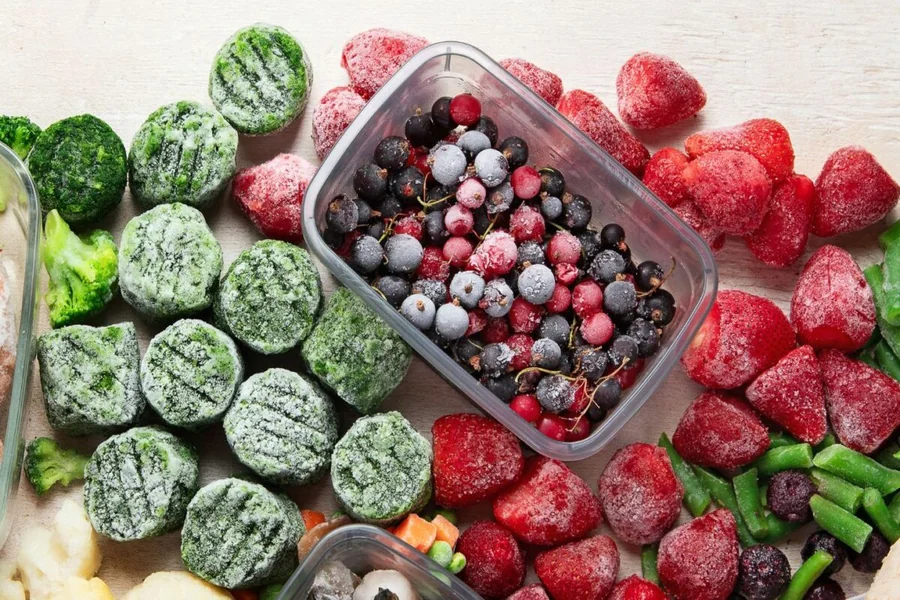
Walk into a grocery store and watch the carts. You will see frozen fruit everywhere. Bags of blueberries. Cubes of mango. Sliced strawberries ready for smoothies.
The freezer aisle used to be a backup plan. Today it is a strategy.
Consumers are busy. Grocery prices fluctuate. Fresh produce spoils faster than people expect. Frozen fruit solves several problems at once. It lasts longer. It keeps nutrients. It is easy to use.
A recent industry report shows 40% of consumers now use frozen foods every few days or daily, a steady rise in recent years. Convenience and affordability are the main reasons behind the shift.
Frozen fruit is not replacing fresh fruit entirely. But it is gaining ground fast.
Let’s look at why.
Convenience Is Winning the Grocery Battle
Frozen fruit works with modern life.
Fresh fruit requires planning. It has to be washed, cut, and eaten quickly before it spoils. Frozen fruit removes those steps.
You open a bag and pour.
Smoothie lovers figured this out first. A handful of frozen berries creates instant texture without ice. Bakers followed. Restaurants followed.
A chef once described it this way during a sourcing conversation:
“When fresh berries arrive, you have three days before they start turning. Frozen berries give you six months. That changes how you plan a kitchen.”
Frozen fruit also solves the ripeness problem. Anyone who has bought a rock-hard mango or a mushy avocado knows the struggle.
Frozen fruit skips that guessing game because it is processed at peak ripeness.
Experts note that fruit destined for freezing is typically harvested at its most mature stage and frozen within hours. That quick process preserves nutrients and flavor.
The result: fruit that is ready when the consumer is ready.
The Nutrition Debate: Fresh vs Frozen
Many shoppers assume fresh fruit must be healthier.
The science says the difference is often smaller than expected.
Fruit begins losing nutrients as soon as it is harvested. Vitamin C is especially sensitive to time, light, and temperature. Produce may spend days traveling, sitting in warehouses, and resting on store shelves.
Frozen fruit stops that clock.
Researchers comparing fresh, frozen, and “fresh-stored” produce found that nutrient levels were often similar. In some cases, frozen samples actually contained higher vitamin levels than produce stored in the refrigerator for five days.
The reason is simple: freezing pauses biological decay.
One food scientist shared a story from a lab comparison project:
“We tested strawberries that traveled across the country and sat in storage. Then we tested strawberries frozen within hours of harvest. The frozen ones had more vitamin C.”
That result surprises many shoppers.
Frozen fruit does not add preservatives. Freezing itself is the preservation method.
So in many everyday scenarios, frozen fruit delivers similar nutrition without the race against spoilage.
Frozen Fruit Helps Reduce Food Waste
Food waste is one of the biggest hidden problems in the global food system.
Fresh produce is a major contributor.
Studies show that up to 35% of food purchases are wasted, much of it coming from perishable items like fruits and vegetables.
The difference between fresh and frozen waste is dramatic.
A Cornell analysis found that fresh fruit is discarded far more often. The ratio of fresh-to-frozen food waste for fruits can exceed 10 to 1.
Why?
Shelf life.
Fresh berries might last four days. Frozen berries can last twelve months.
That difference matters in busy households.
One grocery buyer shared a practical example:
“People buy fresh raspberries with good intentions. Then they forget about them in the fridge. Frozen raspberries wait patiently in the freezer.”
The environmental impact is also significant. Food waste produces methane when it decomposes in landfills.
Frozen foods reduce that risk by extending shelf life and allowing consumers to use only what they need.
Pour a handful. Seal the bag. Return it to the freezer.
Year-Round Access Is a Huge Advantage
Seasonality used to control fruit consumption.
Blueberries were summer. Mangoes were regional. Strawberries had short windows.
Freezing changed that.
Fruit can be harvested during peak season and stored for months. That allows grocery stores to offer consistent availability throughout the year.
Consumers benefit from predictable access.
A smoothie recipe in January no longer requires expensive imported fruit.
A nutritionist once joked during a cooking demo:
“Frozen fruit is basically time travel. You’re eating July strawberries in February.”
This year-round access also helps stabilize supply chains.
Companies that specialize in frozen fruit sourcing, such as IRJ Frozen Foods, LLC, focus on harvesting fruit at peak quality and freezing it quickly so it can be distributed throughout the year without major nutrient loss.
The model keeps fruit accessible even when growing seasons shift.
Cost Stability Matters Too
Fresh fruit prices change with seasons, weather, and transportation costs.
Frozen fruit tends to be more stable.
The fruit is harvested in large volumes during peak season. It is then frozen and stored until needed. That reduces volatility.
Consumers also waste less of it.
Throwing away spoiled produce is the same as throwing away money.
Frozen fruit helps households stretch grocery budgets by allowing precise portions.
Use what you need. Save the rest.
Practical Ways Consumers Can Use More Frozen Fruit
The freezer aisle works best when used intentionally. Here are simple ways consumers can benefit.
1. Plan Smoothie Ingredients in Advance
Stock frozen berries, mango, and pineapple. They blend instantly and eliminate the need for ice.
2. Use Frozen Fruit in Cooking
Frozen berries work well in oatmeal, pancakes, and sauces. They release juices that add flavor.
3. Buy Fresh When It Is in Season
Fresh fruit shines during peak harvest months. Combine it with frozen options the rest of the year.
4. Portion for Snacks
Frozen grapes or berries can be eaten straight from the freezer as a cold snack.
5. Rotate Your Freezer Inventory
Keep a simple rule: first in, first out. Use older bags before opening new ones.
Frozen Fruit Is Solving Modern Food Problems
Frozen fruit fits modern habits.
It reduces waste. It stabilizes supply. It preserves nutrients. It simplifies cooking.
Fresh fruit still has a place. Nothing beats a ripe peach in summer.
But frozen fruit solves a different set of challenges.
Busy schedules. unpredictable grocery trips. unpredictable ripeness.
The freezer aisle quietly became one of the smartest parts of the grocery store.
And consumers are noticing.
