

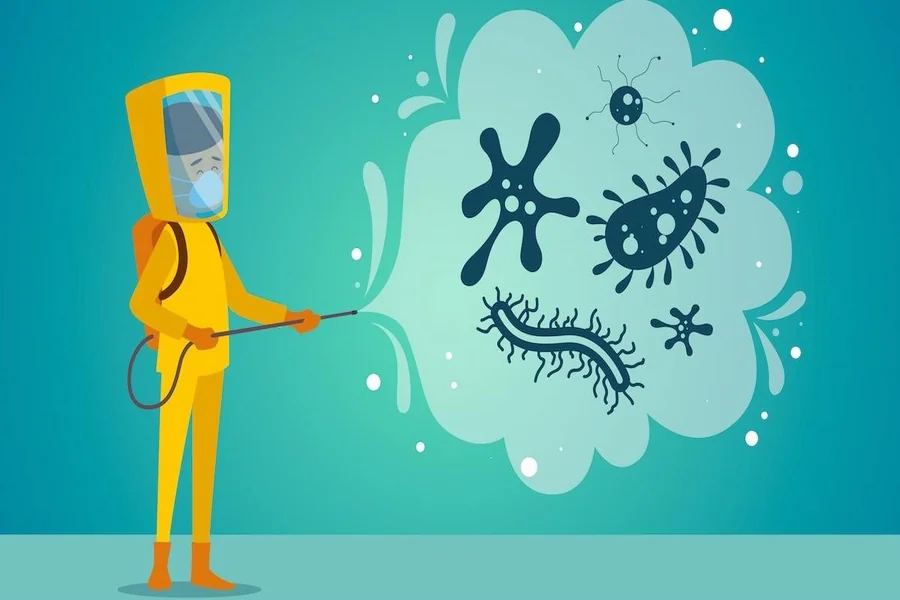
If you’ve ever caught a whiff of that musty smell in your basement or noticed some suspicious black or colored spots on your walls, then you might be dealing with more than just a cosmetic issue. Mold, and its sneaky byproduct, mycotoxins. These can turn your cozy home into a health hazard if they’re left unchecked. As recommended by mold remediation companies who’s spent nearly 20 years tackling home renovations and mold remediation, we’ve got tips to walk you through what mycotoxins are, how they sneak into your home, the red flags to watch for, and most importantly, how to kick them to the curb.
What Are Mycotoxins?
Mycotoxins are toxic compounds produced by certain types of mold, like Stachybotrys (the infamous “black mold”), Aspergillus, and Penicillium. These aren’t just any old mold spores; they’re toxic chemical byproducts that can linger in the air, on surfaces, or even in your furniture long after the mold itself is gone. They can cause health issues ranging from headaches and fatigue to respiratory problems and allergic reactions, especially for kids, pets, or anyone with a compromised immune system. The scary part? You can’t always see or smell them, so let’s break down how they get into your home in the first place.
What Causes Mycotoxins?
Mold loves three things: moisture, warmth, and something to feed on (like drywall, wood, or even dust). When these conditions align, mold grows, and some types of species start pumping out mycotoxins. Here’s what sets the stage for them:
● Water Leaks and Flooding: A dripping pipe under the sink, a leaky roof, or a flooded basement is like an open invitation for mold to move in.
● Poor Ventilation: Bathrooms without exhaust fans, damp basements, or stuffy attics trap moisture, creating a mold paradise.
● High Humidity: If your home’s humidity levels creep above 60%, especially in warm climates like South Florida, mold can thrive.
● Neglected Spills or Damp Materials: Wet carpets, soggy furniture, or even a pile of damp laundry left too long can kickstart mold growth.
The Warning Signs of Mycotoxins in Your Home
Catching mycotoxins early is key, but they’re sneaky. Here’s what to look out for:
● Musty Odors: That classic “damp basement” smell is a dead giveaway. If you notice it, don’t just light a candle—investigate.
● Visible Mold: Black, green, or white fuzzy patches on walls, ceilings, or grout are obvious signs. But remember, mycotoxins can stick around even if the mold looks gone.
● Health Symptoms: Unexplained allergies, sinus issues, fatigue, or skin irritation that worsen at home could point to mycotoxins. If symptoms improve when you leave the house, that’s a big clue.
● Water Damage: Discolored walls, warped wood, or peeling paint often signal hidden moisture and potential mold growth.
● Condensation: Foggy windows or water droplets on sills mean humidity is too high, setting the stage for mold.
How to Get Rid of Mycotoxins: Practical Steps
Dealing with mycotoxins isn’t a simple DIY weekend project for everyone, but with the right approach, you can reclaim your home. Here’s how to tackle it:
1. Find and Fix the Source
Mold and mycotoxins thrive on moisture, so your first job is to stop the water. Check for leaks in pipes, roofs, or windows. Use a dehumidifier to keep indoor humidity below 50%. If you’ve had flooding, dry out carpets, furniture, and walls within 24-48 hours to prevent mold from taking hold. A wet/dry vac and industrial fans can work wonders here.
2. Test for Mold (If You Suspect It)
Not sure if it’s mold or just dirt? Grab a mold test kit from a hardware store for a quick check, or call in a professional for air and surface testing. Pros can identify common mold types and confirm if mycotoxins are present. This step is crucial if you’re experiencing health symptoms but can’t see obvious mold.
3. Remove Mold Safely
Small patches can often be handled yourself, but larger mold infestations or toxic black mold require professionals. Here’s how to DIY safely:
● Gear Up: Wear gloves, an N95 mask, and goggles to avoid inhaling spores or mycotoxins.
● Contain the Area: Seal off the room with plastic sheeting to keep spores from spreading.
● Clean with Care: Use a mix of water and mild detergent or a commercial mold cleaner. Avoid bleach—it doesn’t kill mycotoxins and can make things worse on porous surfaces like drywall.
● Dispose Properly: Bag up moldy materials (like carpet or insulation) and toss them to prevent recontamination.
For big jobs or confirmed mycotoxins, hire a certified mold remediation company. They’ll use HEPA vacuums, air scrubbers, and specialized cleaners to remove both mold and toxins.
4. Clean and Decontaminate
Mycotoxins can stick to surfaces like dust bunnies. After mold removal, wipe down walls, furniture, and ducts with a damp cloth and a mold-specific cleaner. Wash fabrics like curtains or bedding in hot water. Consider a HEPA air purifier to trap lingering particles. If your HVAC system is contaminated, get it professionally cleaned to avoid spreading toxins through your home.
5. Prevent Future Home Problems
Once the mold’s gone, you really need to keep it that way:
● Run exhaust fans in bathrooms and kitchens.
● Use a dehumidifier in damp areas like basements.
● Fix leaks ASAP and keep gutters clean to avoid water buildup.
● Monitor humidity with a hygrometer (aim for 30-50%).
● Regularly inspect hidden spots like under sinks or behind appliances.
When You Need to Call in The Mold Removal Experts
If you’re dealing with extensive mold growth, health symptoms, or just don’t feel confident tackling it yourself, don’t hesitate to call a professional. Certified mold remediators have the necessary tools and tactical know-how to handle mycotoxins safely. Plus, they can test for hidden mold in your household, from inside your walls or HVAC air ducts that you might miss.
Use High Caution around Mycotoxins
Mycotoxins are no joke, especially for sensitive folks – like children and the elderly. If you or your family are feeling sick and suspect mold, don’t wait—act fast. The longer you let it fester, the harder (and pricier) it is to fix. And while it’s tempting to rip out moldy drywall yourself, disturbing mold without proper precautions can spread mycotoxins further.
Next Steps to Getting Rid of Mycotoxings at Home
Dealing with mycotoxins can feel overwhelming, but with a clear plan, you can take back your home. Start by cutting off moisture, spot the warning signs early, and don’t be afraid to call in backup for big jobs. A dry, well-ventilated home is your best defense against mold and its toxic sidekicks.
