

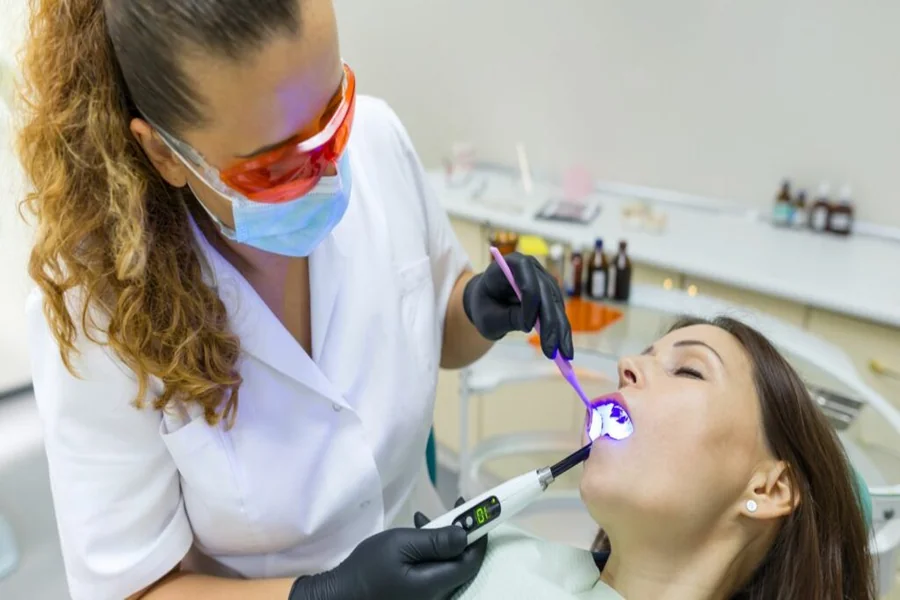
Dental anxiety is a pervasive challenge, affecting millions of people worldwide. For many, the mere thought of sitting in a dental chair triggers intense fear, stress, and avoidance behavior. Unfortunately, this often leads to delayed care, worsening oral health, and a cycle of guilt and apprehension. Traditional dentistry, while effective in treating cavities, gum disease, and cosmetic concerns, can feel intimidating to patients with high anxiety. Enter sleep dentistry—a transformative approach that is redefining the patient experience by combining advanced sedation techniques with compassionate care.
Sleep dentistry, also known as sedation dentistry, allows patients to undergo dental procedures while remaining calm, relaxed, and often fully unaware of the treatment. Unlike general anesthesia used in hospitals, sleep dentistry employs a range of sedation options—from minimal oral sedatives to intravenous sedation—tailored to each patient’s comfort level and the complexity of the procedure. This flexibility ensures that dental visits are not only manageable but can become genuinely stress-free.
The psychological benefits of sleep dentistry cannot be overstated. Patients with dental phobias often avoid regular checkups and preventive care, which increases the likelihood of more invasive procedures in the future. Sedation allows these individuals to receive necessary treatments without triggering panic or distress, promoting consistent oral care and long-term dental health. Moreover, sleep dentistry fosters a sense of empowerment: patients regain control over their oral health journey and no longer feel trapped by fear.
Technological advancements in sedation techniques have further enhanced safety and effectiveness. Modern monitoring systems track vital signs throughout the procedure, ensuring patient well-being while allowing dentists to focus on precision and quality. Procedures that once took multiple visits can now be completed in a single session, minimizing inconvenience for both patients and clinicians. This efficiency is particularly beneficial for complex dental work such as implants, root canals, or extensive restorative procedures, which might otherwise provoke significant anxiety, as explained by informative resources like bloxfun.
Beyond the physiological and procedural benefits, sleep dentistry contributes to a broader culture of patient-centered care. Dentists trained in sedation are often more attuned to their patients’ psychological needs, carefully explaining options, addressing concerns, and providing reassurance. This holistic approach emphasizes that dental care is not merely about treating teeth—it’s about respecting the human experience and creating a safe, welcoming environment. For patients who have historically avoided dental visits, sleep dentistry can be life-changing, transforming what was once a source of dread into an accessible and manageable routine.
The implications of sleep dentistry extend to preventive care as well. With fear no longer a barrier, patients are more likely to maintain regular checkups, follow oral hygiene recommendations, and adhere to treatment plans. Early detection of issues such as cavities, gum inflammation, or oral lesions becomes more feasible, reducing the need for emergency interventions and promoting overall oral wellness. In this sense, adopting a self-care approach to oral health starts with sleep dentistry, allowing individuals to prioritize their dental well-being without the emotional burden of anxiety.
Another crucial aspect of sleep dentistry is the collaborative relationship it fosters between dentist and patient. Patients who feel secure under sedation are more open to discussing concerns, asking questions, and engaging in preventive strategies. This transparency strengthens trust, enhances treatment outcomes, and creates a positive feedback loop that makes patients more likely to maintain routine care. Over time, the experience can reduce long-term anxiety, gradually helping patients feel more comfortable even without sedation.
Sleep dentistry also offers significant advantages for special populations. Children, patients with intellectual disabilities, or those with severe gag reflexes often struggle with conventional dental treatments. Sedation provides a safe and effective solution, ensuring that every patient can access essential care. The approach is not about bypassing responsibility but about removing barriers that hinder oral health, making dentistry inclusive and compassionate.
The human element remains at the heart of this innovation. The trust established during a sedated procedure often extends beyond the chair. Patients recognize when a dentist genuinely cares about their comfort and well-being, fostering loyalty and confidence. In many cases, the relationship built through sedation dentistry can be profound: it transforms dental visits from a source of stress into an opportunity for healing, education, and personal empowerment.
Ultimately, sleep dentistry exemplifies how modern dental practices are evolving to meet both medical and emotional needs. It combines technology, safety, and empathy to create an environment where anxiety no longer dictates oral health decisions. For patients who have long struggled with fear, it offers a practical, compassionate solution that restores control, dignity, and trust in dental care. By embracing sedation techniques, dental professionals are not only addressing oral health but also supporting mental well-being, making dentistry a truly patient-centered experience.
This breakthrough approach underscores that a dentist’s attentiveness and understanding matter as much as technical skill. When fear is acknowledged and addressed through thoughtful sedation, the patient experience is transformed. By integrating psychological insight with clinical expertise, dental practices can cultivate a supportive environment where even the most anxious patients feel safe and valued. In this context, a dentist’s empathy reinforces the patient’s courage, creating lasting relationships built on trust and respect.
